

Is a Central Vacuum System Worth It? What to Know Before You Decide
Dragging a heavy upright vacuum up a flight of stairs, untangling its cord from furniture, then emptying a small canister for the third time this week is a familiar routine in a lot of homes. On top of that, some portable vacuums exhaust a portion of the dust and allergens they pick up right back into the room you're cleaning. A central vacuum system exists to remove all of this from the equation, but it isn't the right fit for every home, and it comes with its own trade-offs worth understanding first.
What Is a Central Vacuum System?
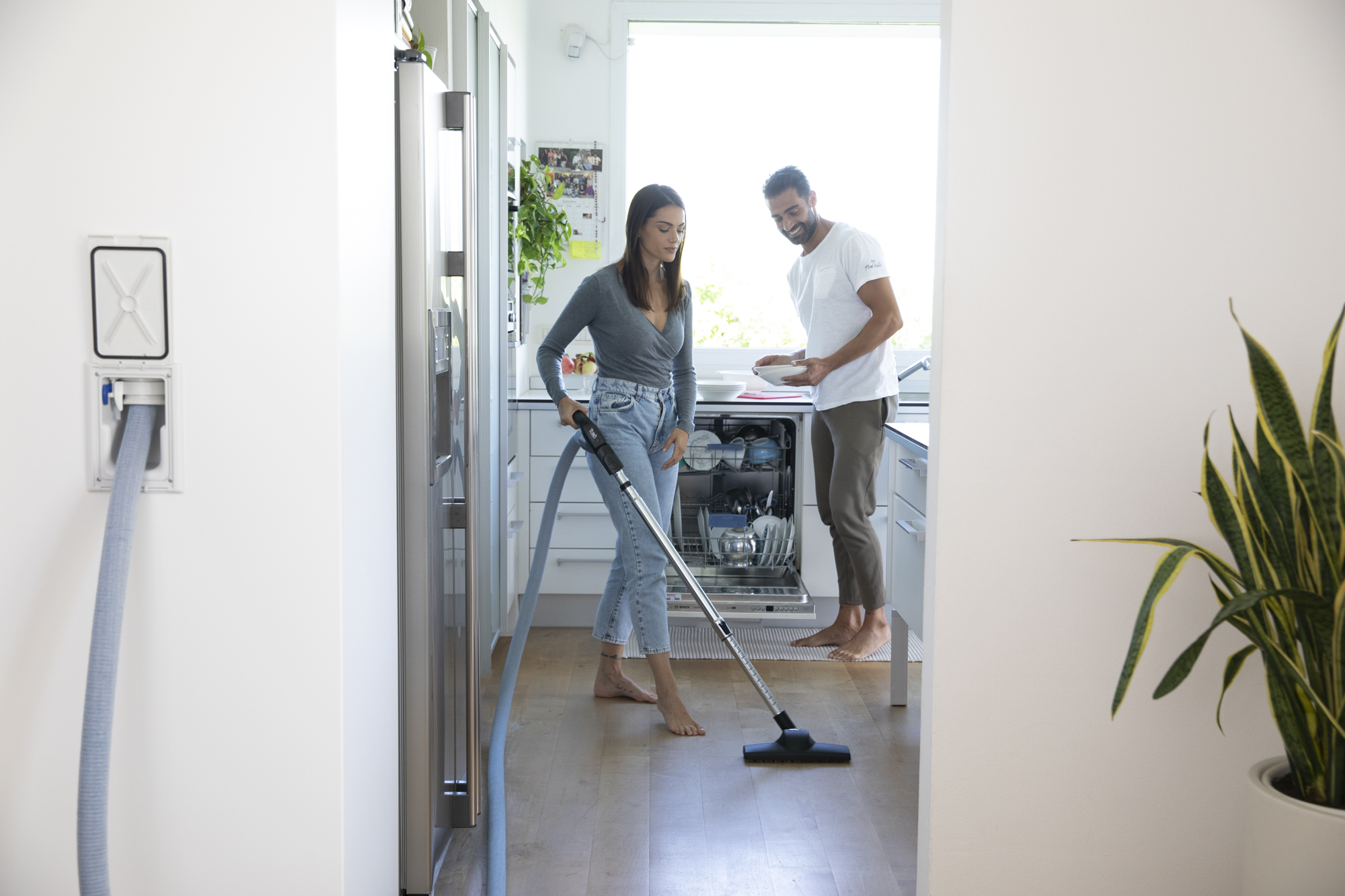
A central vacuum system is a built-in cleaning setup with wall inlets connected by piping to a central power unit, usually placed in a garage or utility room. Instead of carrying a vacuum from room to room, you plug a lightweight hose into the nearest inlet, and dust travels through the piping to the unit rather than staying in the room being cleaned.
The Real Problems It Solves
- Weak suction on portable units: Central systems commonly deliver 3 to 5 times the suction power of a portable vacuum, since the motor is larger and sits in a dedicated power unit rather than a small onboard canister.
- Dust and allergens blown back into the room: Because collected dust travels through sealed piping to a unit away from living spaces, it isn't recirculated into the air the way some portable vacuums exhaust it.
- Noise: The motor runs in a garage or utility room instead of right next to you, so the cleaning itself is noticeably quieter.
- Constantly emptying a small canister: A central system's collection bin is larger and further from daily use, so it needs emptying far less often.
The Honest Trade-Offs
It's not a one-sided upgrade, and it's worth going in aware of the downsides:
- The hose can be a hassle. A long hose dragged from a single inlet across multiple rooms is one of the most common complaints about central vacuum systems. This is largely a planning problem: enough inlets, placed well for your home's actual layout, solves most of it.
- Higher upfront cost than a portable vacuum. You're paying for a power unit, piping, and installation rather than a single appliance. The trade-off is a system that's commonly cited as lasting 20 years or more, sometimes 30 to 40, against a portable vacuum that typically gets replaced every few years.
- Less energy-efficient in some comparisons. Running a larger motor for central suction isn't always the most power-efficient option compared to a small portable unit, though this is a minor factor next to performance and air quality gains for most households.
Should You Install It Yourself, or Hire a Professional?
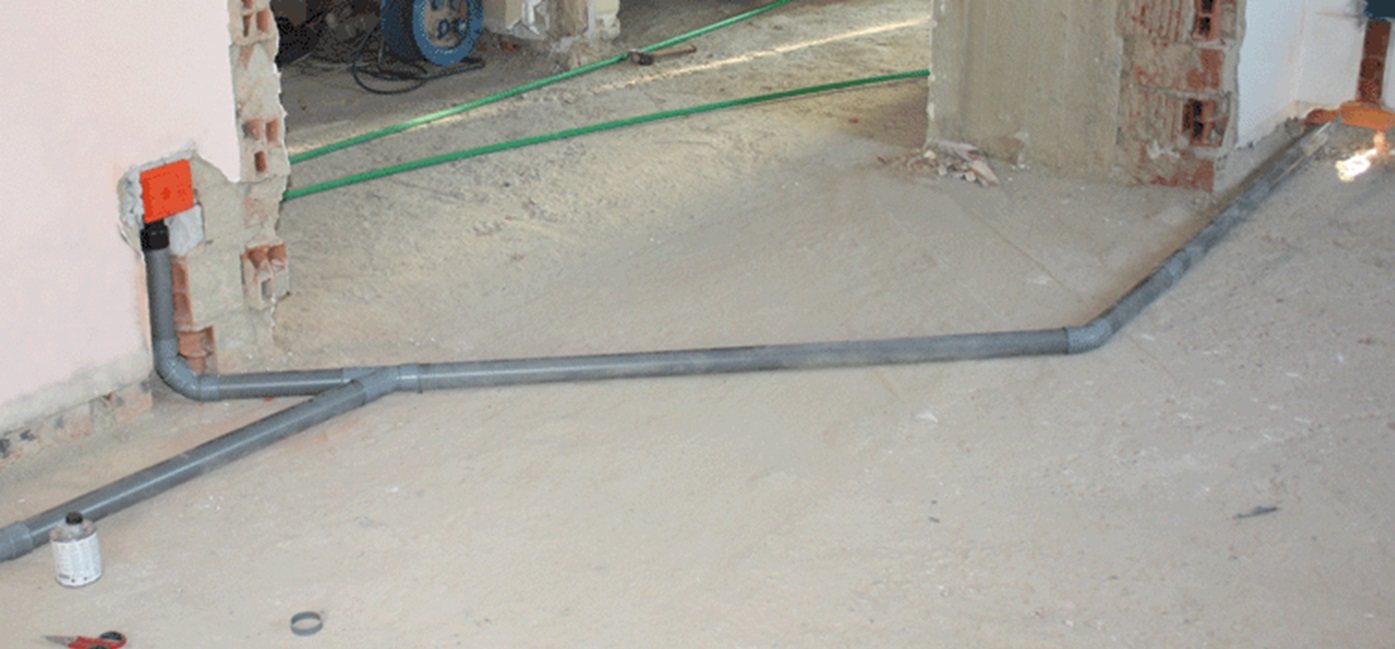
This is genuinely a case-by-case decision, not a fixed rule. In new construction, piping can be run before walls are finished, which makes self-installation realistic for a handy homeowner working from a planning kit. In an existing home, retrofitting means routing pipe through finished walls, attics, or basements without knowing exactly what's behind the drywall, which is where a lot of DIY installations run into trouble. For most retrofits, and especially in villas and apartments across the UAE where wall structures and existing services vary property to property, professional installation avoids a lot of trial and error. InterKraft's central vacuum system piping service covers exactly this: assessing the property, planning inlet placement, and installing the system properly the first time.
What Ongoing Maintenance Actually Looks Like
Once installed, a central vacuum system needs relatively little upkeep:
- Emptying the collection bin: Most units need emptying every 3 to 6 months, depending on size and usage. Check your unit's manual for its specific recommendation.
- Filter care: Filters affect both suction power and air quality, so clean or replace them on the manufacturer's schedule rather than waiting for performance to drop noticeably.
- Checking for clogs: A sudden drop in suction usually points to a clog somewhere in the piping or hose, not a failing motor.
- Inlet and hose condition: Wipe down inlets periodically and check hoses for wear, since a worn hose is a common, easy-to-miss source of lost suction.
Frequently Asked Questions
How long does a central vacuum system last?
Estimates vary, but lifespans of 20 years or more, sometimes cited as high as 30 to 40 years, come up consistently across manufacturers and installers, largely because the power unit sits away from daily wear and the piping itself rarely needs replacing.
Is the hose on a central vacuum a hassle?
It can be, if inlets aren't placed well. A long hose dragged from a single inlet across multiple rooms is a common complaint. This is largely solved by planning enough inlets for the home's actual layout, which is why inlet placement is worth getting right at the design stage rather than fixing later.
Should I install a central vacuum system myself or hire a professional?
DIY is realistic for new construction, where piping can be run before walls are finished. For an existing home, retrofitting means routing pipe through finished walls and attic or basement spaces, which is where professional installation avoids a lot of trial and error.
Does a central vacuum system actually help with allergies?
It can help, since dust and allergens are carried through sealed piping to a power unit away from living areas, rather than being recirculated into the room the way some portable vacuums exhaust air.
If you're weighing a central vacuum system for a villa or apartment retrofit, InterKraft's central vacuum system piping service covers the site assessment, inlet planning, and installation, so the system is set up right the first time.
Emma Williams
This is an incredibly detailed guide! I’ve always wondered about central vacuum systems, and now I’m convinced they’re the way to go for cleaning efficiency and healthier indoor air. The step-by-step installation tips are really helpful too. I’m definitely considering an upgrade for my home!
Lucas Greene
I had no idea central vacuums could help improve indoor air quality by expelling dust outside the living space. This is a huge advantage for people with allergies. Thanks for sharing such an informative post – definitely considering this for my home!
Michael Turner
The maintenance tips are very useful! I didn’t realize that checking for clogs and inspecting the motor regularly could keep the system running smoothly for years. I’ll make sure to follow these tips for long-term performance.